Pest Control Services for Warehouses, Offices, and Retail Stores
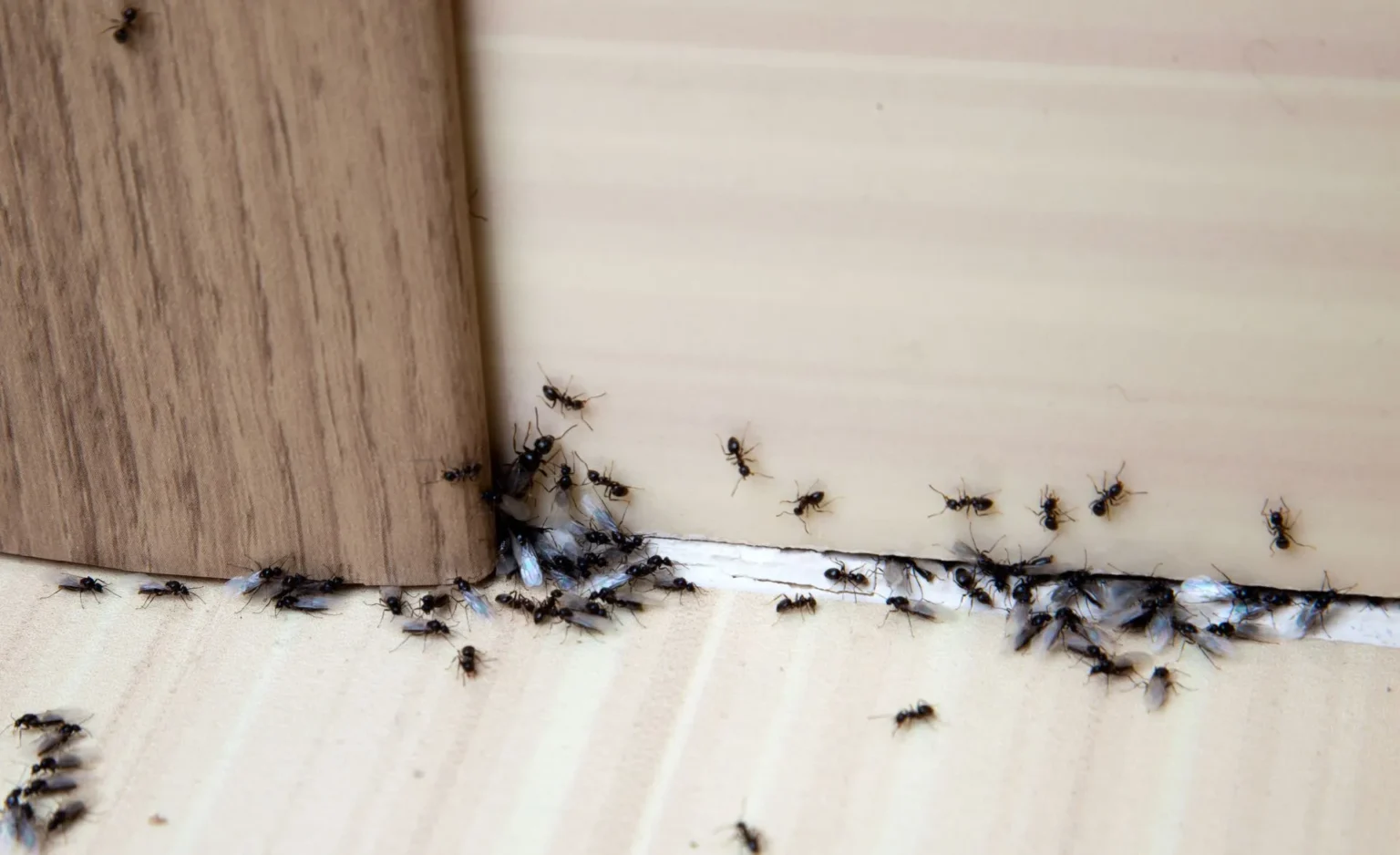
Commercial pest problems rarely start with drama. More often, they begin quietly, behind a pallet rack, under a breakroom sink, above a suspended ceiling, or near a loading dock that nobody thinks twice about. By the time a manager sees rodent droppings in a warehouse aisle or a customer spots a fruit fly near a point-of-sale counter, the issue has already moved beyond a minor annoyance.
That is why Pest Control Services in commercial settings require a very different standard than a quick residential spray visit. Warehouses, offices, and retail stores each create their own conditions for pests, and each comes with a different level of risk. A single mouse in a home is unpleasant. A single mouse in a distribution center can contaminate product, damage packaging, trigger audit findings, and create immediate questions from clients, insurers, and regulators. In an office, pests affect morale and sanitation. In a retail environment, they can undermine trust in a matter of seconds.
Businesses that handle pest control well tend to think beyond reaction. They look at pest pressure as an operational issue tied to maintenance, receiving, waste handling, housekeeping, landscaping, and staff habits. The most effective service providers do the same. They do not treat a commercial property as one address with one problem. They assess the building as a system.
What makes commercial pest control different
A commercial property is more dynamic than most people realize. Inventory moves in and out. Staff changes by shift. Doors open all day. Deliveries arrive from multiple suppliers. Tenants share walls. Cleaning standards vary from one department to another. All of that creates access points, food sources, water sources, and hiding places.
Warehouses usually deal with scale. High ceilings, long rows of storage, loading docks, idle equipment, and infrequently disturbed corners give rodents and stored product pests excellent conditions. Some warehouses also bring in pest activity from outside every day through incoming freight. When goods arrive on pallets, in corrugated cartons, or from mixed transportation environments, pests can hitchhike in.
Offices tend to look lower risk on the surface, but they often have hidden vulnerabilities. Breakrooms generate crumbs, sugar residue, and moisture. Restrooms and janitorial closets offer water. Paper storage rooms provide shelter. If the building is multi-tenant, one suite’s sanitation problem can become everyone’s problem. Ants, cockroaches, flies, and occasional rodents are common concerns, especially in older buildings or properties with inconsistent cleaning.
Retail stores sit somewhere in between, with a unique challenge that warehouses and offices do not face in the same way: visibility. If a pest issue shows itself in front of customers, the reputational cost can exceed the direct treatment cost by a wide margin. Stores that sell food, pet supplies, home goods, or apparel all face different pressures. A clothing store may be more concerned about fabric pests and backroom clutter, while a grocery-adjacent retailer may deal with flies, rodents, or cockroaches driven by food waste and frequent deliveries.
In each environment, the work is not simply about applying product. It is about inspection, exclusion, monitoring, documentation, trend analysis, and communication.
The pests businesses encounter most often
Commercial managers sometimes ask for a one-size-fits-all service plan, but pests do not behave that way. The likely invaders depend on what the building offers.
Rodents remain one of the most serious threats across all three property types. Mice can enter through gaps as small as a quarter inch, and rats exploit larger openings around utility penetrations, dock plates, rooflines, and damaged door sweeps. Once inside, they travel along walls, behind inventory, inside voids, and above ceilings. They contaminate surfaces, gnaw packaging and wiring, and reproduce fast enough to turn a small lapse into a recurring problem.
Cockroaches are another high-priority pest because they thrive in concealed spaces and often indicate structural or sanitation issues. German cockroaches, in particular, spread through office kitchenettes, vending areas, employee lockers, and retail food zones with surprising speed. They are resilient, difficult to eliminate without follow-up, and highly damaging to a company’s sanitation profile.
Flies often get underestimated because they seem less serious than rodents or roaches. In reality, drain flies, fruit flies, and house flies can be persistent, especially in offices with neglected drains, retail locations with trash handling problems, or warehouse spaces connected to food distribution. Flies are often a symptom. Treating adults without correcting moisture, organic buildup, or waste practices rarely solves the issue.
Stored product pests matter most in warehouses and some retail backrooms. Beetles, moths, and weevils can arrive in dry goods, pet food, grains, spices, or even decorative natural materials. The challenge is that these infestations are sometimes brought into the building rather than generated by it. Good Pest Control Services include receiving-area inspections and a process for isolating suspicious inventory before it spreads.
Occasional invaders, such as ants, spiders, and stinging insects, round out the picture. These may not create the same level of compliance concern, but they still affect staff comfort and customer perception. An ant trail in an office conference room or wasps near a retail entrance may not be catastrophic, yet they signal a gap in perimeter management.
Why warehouses demand a different strategy
A warehouse is not just a large room. It is a network of micro-environments. The temperature near dock doors differs from the temperature in the center aisles. Dust accumulates differently in racking bays than in picking zones. Seasonal product creates temporary harborage. Returned goods and slow-moving stock can sit untouched long enough to become shelter for pests.
One of the most common mistakes in warehouse pest control is overreliance on perimeter baiting without enough interior inspection. Exterior control matters, but it does not replace routine checking of staging areas, battery charging zones, employee lockers, under-rack spaces, and corners blocked by long-term storage. I have seen facilities with excellent fence-line bait stations still struggle with mice because the real issue was poor dock door sealing and spilled product under receiving conveyors.
Warehouses also need sharp attention to exclusion. A service technician can reduce pressure, but if daylight is visible under a dock door or around conduit penetrations, the building keeps inviting pests in. This is where the best providers stand out. They do not stop at Pest Control Services reporting activity. They identify access points precisely and push for physical corrections.
Another operational reality in warehouses is timing. A pest technician inspecting during a quiet mid-morning period may miss what night shift sees around compactors or what the receiving team notices during early inbound deliveries. Good commercial service accounts for the building’s rhythm. That may mean occasional after-hours visits, coordination with shift supervisors, and checking areas that standard service routes often overlook.
Documentation matters more in warehouses than many managers expect. Large facilities may face customer audits, internal quality reviews, or third-party food safety requirements even if they are not manufacturing anything. Trend logs, site maps, service reports, and corrective action notes become part of the facility’s operating discipline. A provider who leaves vague comments such as “treated as needed” is not helping much. A provider who notes exact activity zones, probable causes, and recommended repairs is far more useful.
Offices have pest risks that are easy to dismiss
Office pest control is often reactive because managers assume the environment is relatively clean. The problem is that office mess is diffuse. It is not one obvious sanitation failure, but dozens of small ones. Half-empty coffee cups on desks overnight, snack drawers, food delivery packaging in wastebaskets, overflowing recycling bins, sink splash under cabinetry, and cluttered storage rooms all create low-level support for pests.
Cockroaches in office spaces commonly begin in hidden food zones. The issue may center around a single microwave cabinet, a leaking water line behind a kitchenette sink, or a janitorial closet drain that has not been cleaned properly in months. Ants often appear seasonally, especially after rain or temperature swings, and employees tend to make them worse by spraying consumer products that scatter colonies rather than eliminate them.
Rodents in office buildings usually exploit wall voids, ceiling spaces, and shared utility chases. In multi-tenant buildings, one poorly managed suite can create activity in neighboring spaces that appear spotless. This is frustrating for tenants because they may feel blamed for a problem that originates elsewhere. A capable commercial pest program handles that reality with diplomacy and evidence, not guesswork.
There is also a human factor unique to offices. Employees notice pests quickly and talk about them even faster. If staff lose confidence in building cleanliness, the issue becomes larger than pest biology. It affects comfort, trust, and sometimes retention. Managers do not need to overreact, but they should respond clearly. People want to know that the problem is being investigated, not ignored.
In office settings, discreet service can be just as important as effective treatment. Nobody wants a panic because someone saw a technician in the hallway with equipment. The best service firms communicate schedules, use low-disruption methods where possible, and help facility teams address root causes without creating unnecessary alarm.
Retail stores live and die by visibility
Retail pest control is partly about biology and partly about optics. Customers interpret what they see in seconds. One insect near the register can undo years of polished branding. Staff might understand that a fly entered through an open door on a hot afternoon, but a shopper does not make that distinction. They simply register a cleanliness problem.
Back-of-house conditions often drive front-of-house sightings. A retail stockroom with clutter, cardboard buildup, open snack storage, or poorly cleaned drains becomes the engine behind customer-facing pest activity. Employee break areas deserve special attention here. In many stores, the lunch area is tucked into the same backroom used for overstock, returns, and supplies. That overlap creates an ideal bridge between food residue and harborage.
Seasonality also hits retail hard. Summer doors stay open longer. Holiday shipments increase. Landscaping near storefronts changes insect pressure. Temporary displays bring in more cardboard and more places for pests to hide. A service plan that worked in February may not be enough in July or November.
Retailers benefit from a practical reporting chain. Floor staff need to know what to do if they spot activity. If nobody knows whether to call the store manager, maintenance, or the pest control company, response gets delayed. The issue then grows from one sighting into a pattern.
A sensible retail response usually includes these priorities:
- Confirm the sighting with as much detail as possible, including time, location, and what was seen.
- Inspect the immediate area for food residue, moisture, entry points, and hidden harborage.
- Correct sanitation or maintenance issues right away instead of waiting for the next service date.
- Communicate with the pest provider using photos or precise notes, not general statements like “bugs in back.”
- Track repeat sightings by location so trends become visible before customers notice them.
That kind of discipline does not require a large budget. It requires consistency.
What effective Pest Control Services actually include
Many commercial clients judge service quality by frequency alone. Weekly sounds better than monthly, and monthly sounds better than quarterly. Frequency matters, but scope matters more. A weak inspection done every week is still a weak inspection.
Effective Pest Control Services begin with a detailed site assessment. That means evaluating the structure, operations, sanitation practices, exterior conditions, waste handling, and pest history. A good provider looks at where pests are likely to enter, survive, and spread. They ask how deliveries work, where food is consumed, which drains stay wet, where standing water forms outside, and which areas are rarely disturbed.
After inspection comes monitoring. In commercial environments, monitors are not just traps. They are information tools. Properly placed devices help identify travel routes, pressure points, and changes over time. When a provider places monitors randomly or fails to check them carefully, the site loses one of its most valuable diagnostic systems.
Treatment should be targeted. In a warehouse, that may mean a combination of exterior rodent management, interior monitoring, exclusion recommendations, and focused response around receiving or damaged goods. In an office, it may mean gel baits in discreet harborages, drain treatments where justified, and collaboration with janitorial staff. In a retail store, it may involve careful perimeter work, backroom corrections, and special attention to customer-facing thresholds.
The strongest programs are integrated, which means they combine several control methods rather than leaning on chemicals as the first or only answer. That includes structural repairs, sanitation improvements, habitat reduction, staff training, and follow-up verification. This approach tends to produce better long-term results and fewer repeat surprises.
The role of exclusion and sanitation
If I had to name the two factors that most often determine whether a commercial property gets lasting relief, they would be exclusion and sanitation. Treatments can knock activity down. Exclusion and sanitation keep it from rebuilding.
Exclusion is the physical work of keeping pests out. That may sound simple, but commercial buildings have countless openings: dock levelers, torn sweeps, warped doors, unsealed pipe entries, roof gaps, missing vent screens, and damaged weather stripping. One warehouse I visited had a persistent mouse issue that multiple treatments failed to solve. The cause turned out to be a utility penetration behind stored packaging near an exterior wall. It was not a dramatic opening, just large enough and perfectly hidden. Sealing that gap changed the whole account.
Sanitation is broader than cleanliness in the visual sense. It includes waste removal, food storage, spill response, drain maintenance, and clutter control. A spotless showroom can still have a pest problem if the stockroom holds leaking returns and sugary residue under shelving. Likewise, an office can look tidy while a sink cabinet stays damp for weeks.
The properties that perform best usually align three groups: facility management, cleaning staff, and the pest provider. If one group is working in isolation, progress is slower.
Choosing a provider for a commercial account
Selecting a pest control company for a business should not come down to price alone. Cheap service can become expensive when infestations persist, audits fail, or a customer posts a photo online. At the same time, high price does not guarantee competence. What matters is whether the provider understands commercial operations and can translate pest biology into practical facility action.
A strong provider usually shows a few habits early:
- They inspect thoroughly before quoting broad promises.
- They document findings clearly, with specific locations and corrective recommendations.
- They understand the operational differences between warehouses, offices, and retail stores.
- They communicate in a way that helps managers act, rather than overwhelming them with jargon.
- They follow up on trends and adapt the service plan when conditions change.
Ask how they handle recurring issues. Ask who reviews service reports. Ask whether they coordinate with maintenance teams on exclusion work. Ask how they distinguish between incidental sightings and active infestations. Those answers tell you more than a polished sales presentation.
When pest control becomes a business continuity issue
Most commercial pest problems begin as maintenance concerns, but some escalate into business continuity events. A rodent issue near inventory can force disposal. A cockroach outbreak in an office can trigger temporary closure of common areas. Flies in a retail food-adjacent space can prompt health department attention. Even when the legal or regulatory impact is limited, the operational disruption is real.
That is why speed matters, but panic does not help. The best response is calm, documented, and corrective. Confirm the problem, contain the affected area if needed, identify the likely cause, address contributing conditions, and verify results. Businesses that approach pest control this way usually recover faster and avoid repeat incidents.
There is also value in seasonally adjusting expectations. Rodent pressure often rises when temperatures drop and outdoor food sources diminish. Fly and ant issues often increase in warmer months. Heavy rains can shift pest activity indoors. Commercial properties that review seasonal risk ahead of time are less likely to get caught off guard.
A commercial pest program should fit the building, not the brochure
Warehouses, offices, and retail stores may all purchase professional pest control Pest Control Services, but they should not receive the same generic plan. The best results come from matching service to the actual conditions on site. A warehouse needs attention to receiving patterns, storage design, dock integrity, and documentation. An office needs discreet service, moisture control, and employee-area oversight. A retail store needs strong backroom discipline and fast response to visible risk.
When pest control works well, it becomes almost invisible. There are fewer sightings, fewer complaints, cleaner reports, and fewer surprises during inspections. That outcome is not luck. It comes from good inspection, honest reporting, practical corrections, and service that respects how the business actually runs.
For commercial properties, that is the standard worth paying for. Not just treatment, but control.
Affordable Pest Solutions LLC
Phone number: +19732299547
FAQ About Pest Control Services
How much does pest control charge?
For a standard 1,500-square-foot home, professional pest control charges generally average $100 to $300 for an initial visit, with ongoing monthly services running $40 to $75 per visit and one-time emergency exterminations costing $100 to $600, depending heavily on the specific pest and the severity of the infestation.
What is the hardest pest to get rid of?
Bed bugs are widely considered the hardest household pest to get rid of, closely followed by German cockroaches and subterranean termites.
What is included in a pest control service?
A standard pest control service includes a property inspection, targeted treatments, and prevention advice. It typically covers common pests like ants, spiders, and cockroaches, using sprays, baits, or traps.